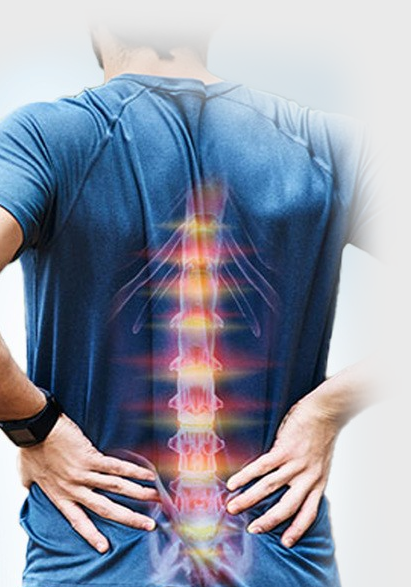
Endoscopic spine surgery offers many benefits, including smaller incisions, less pain, and quicker recovery times compared to traditional open surgery. However, the success of this advanced procedure depends heavily on the surgeon’s experience. Technology alone cannot guarantee the best outcomes. The skill and knowledge that come from years of practice make a significant difference in patient safety and recovery.
Endoscopic spine surgery is a minimally invasive technique that uses a small camera and specialized instruments inserted through tiny incisions. This approach allows surgeons to treat spinal problems such as herniated discs, spinal stenosis, and nerve compression with less damage to surrounding tissues.
While the technology involved is impressive, it requires precise handling. The surgeon must navigate delicate structures in the spine with accuracy to avoid complications. This precision comes from extensive training and hands-on experience.
Many patients assume that the latest equipment ensures the best results. While modern tools improve visualization and access, they cannot replace the surgeon’s judgment and skill. Here’s why experience is essential:
Studies show that surgeons who perform a higher volume of endoscopic spine surgeries tend to have better patient outcomes. For example, research published in the Journal of Neurosurgery found that complication rates dropped significantly after surgeons completed their first 30 to 50 cases. This learning curve highlights the importance of choosing a surgeon who has performed many endoscopic procedures.
Patients treated by experienced surgeons often report:
These benefits stem from the surgeon’s ability to tailor the procedure to each patient’s unique condition and anatomy.
Selecting the right surgeon requires careful consideration. Here are some practical tips:
Consider two patients with similar herniated discs. Patient A chooses a surgeon new to endoscopic spine surgery, while Patient B selects a surgeon with over 200 successful cases.
Patient A’s surgery takes longer due to unfamiliarity with the equipment. Postoperative imaging shows incomplete decompression, requiring a second procedure. Recovery is slower, and pain persists.
Patient B’s surgery is efficient and precise. The surgeon navigates the anatomy expertly, fully relieving nerve pressure. Recovery is smooth, and the patient returns to work within weeks.
This example illustrates how surgeon experience directly impacts the quality of care and patient outcomes.
Even experienced surgeons must stay current with evolving techniques and technology. Many participate in ongoing education, attend workshops, and collaborate with peers. This commitment to learning ensures they maintain high standards and adapt to new challenges.
Patients should feel confident that their surgeon not only has past experience but also actively updates their skills.
Endoscopic spine surgery offers many advantages, but the surgeon’s experience is the key to unlocking its full potential. Technology supports the procedure, but skill and judgment determine success.
When deciding on surgery, prioritize finding a surgeon who has:
Taking these steps will help you achieve the best possible results and a smoother recovery.
If you or a loved one are considering endoscopic spine surgery, consult an experienced surgeon to discuss your options and develop a personalized treatment plan.
Copyright © Dr. Om Patil. All Rights Reserved.