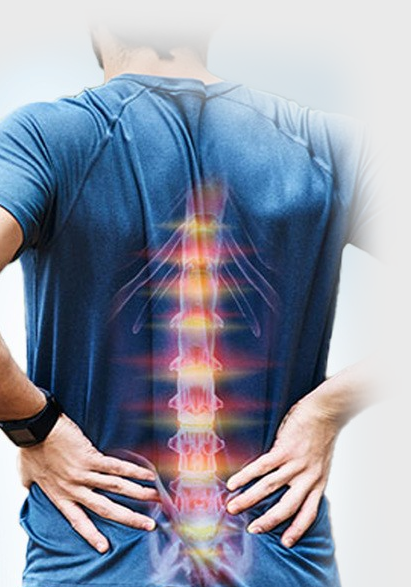
Low back pain that spreads to the legs is a common complaint affecting millions worldwide. While many cases improve with rest and conservative treatments, some require urgent medical attention and even spine surgery. Knowing when to seek help and understanding the warning signs can prevent serious complications and improve outcomes.
Acute spine problems often arise suddenly due to injury, disc herniation, or severe nerve compression. In many cases, symptoms improve with physical therapy, medications, or injections. However, surgery becomes necessary when these treatments fail or when the condition threatens nerve function or mobility.
Spine surgery aims to relieve pressure on nerves, stabilize the spine, and restore function. Common reasons for surgery include:
Surgery is not the first option but can be lifesaving or essential for preventing permanent nerve damage. The decision depends on symptom severity, imaging findings, and overall health.
Most low back pain with leg radiation results from nerve irritation or inflammation and improves over time. However, certain red flags indicate a more serious problem requiring immediate evaluation:
These signs suggest nerve damage, infection, or other urgent conditions. For example, cauda equina syndrome requires emergency surgery to prevent permanent paralysis or incontinence.
If you or someone you know experiences any red flag symptoms, seek medical care immediately. Early diagnosis and treatment can prevent lasting damage. A spine specialist will perform a physical exam, order imaging tests like MRI, and recommend the best course of action.
For less urgent symptoms, conservative treatments such as physical therapy, pain medications, and lifestyle changes often help. But do not ignore worsening symptoms or new neurological problems.
Spine surgery varies depending on the problem but often involves removing herniated discs, decompressing nerves, or stabilizing vertebrae with hardware. Advances in minimally invasive techniques reduce recovery time and complications.
Recovery includes physical therapy and gradual return to activities. Most patients experience significant pain relief and improved function after surgery. However, surgery carries risks like infection, bleeding, or nerve injury, so it is reserved for cases where benefits outweigh risks.
Copyright © Dr. Om Patil. All Rights Reserved.