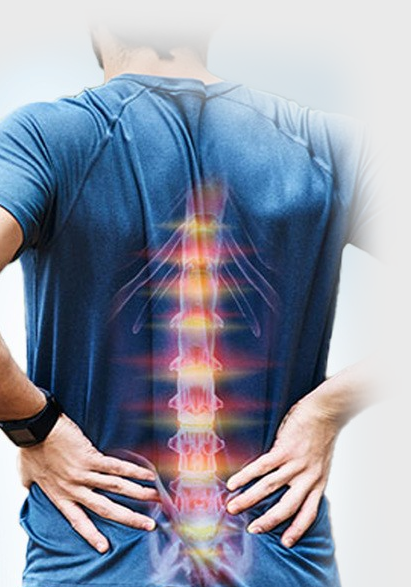
Low back pain affects many women, especially during perimenopause and after pregnancy. This discomfort can disrupt daily life and reduce quality of life. Understanding the causes behind low back pain in women helps in managing symptoms and seeking proper care. Hormonal changes, pregnancy-related back pain, and osteoporosis are key factors that contribute to this condition. This article explores these causes and offers practical advice for women experiencing low back pain.
Hormones play a significant role in women's health, especially during perimenopause, the transition phase before menopause. During this time, estrogen levels fluctuate and eventually decline. Estrogen helps maintain bone density and supports the health of muscles and ligaments around the spine. When estrogen decreases, women may experience:
These changes can lead to or worsen low back pain. For example, weakened ligaments may cause instability in the spine, leading to discomfort or injury. Many women notice that their low back pain worsens during perimenopause, even without any injury or obvious cause.
Pregnancy is a common cause of low back pain in women. As the body adapts to support a growing baby, several changes occur:
These factors can strain the lower back and cause pain. Pregnancy-related back pain often starts in the second or third trimester and may continue after delivery. Post-pregnancy, some women experience persistent discomfort due to weakened abdominal muscles and changes in spinal alignment.
Managing pregnancy-related back pain includes:
If pain persists after pregnancy, consulting a spine surgeon in Mumbai or a specialist can help identify any underlying issues and provide targeted treatment.
Osteoporosis is a condition where bones become fragile and more likely to fracture. Women are at higher risk, especially after menopause, due to the drop in estrogen levels. The spine is a common site for osteoporosis-related fractures, which can cause severe low back pain.
Signs of osteoporosis-related back pain include:
Preventing osteoporosis involves:
Women with osteoporosis and low back pain should seek evaluation from a healthcare professional. A spine surgeon in Mumbai or an osteoporosis specialist can recommend treatments such as medications, physical therapy, or lifestyle changes to reduce fracture risk and manage pain.
Women experiencing low back pain can take several steps to improve their condition:
If pain is severe, persistent, or accompanied by other symptoms like numbness or weakness, it is important to consult a healthcare provider. Early diagnosis and treatment can prevent complications.
If low back pain in women does not improve with conservative measures, or if there are signs of nerve involvement such as radiating pain, numbness, or weakness, consulting a spine surgeon in Mumbai is advisable. Specialists can perform imaging studies and recommend treatments ranging from physical therapy to minimally invasive procedures or surgery when necessary.
Women with pregnancy-related back pain that continues long after childbirth should also seek professional advice to rule out structural problems or other conditions.
Copyright © Dr. Om Patil. All Rights Reserved.