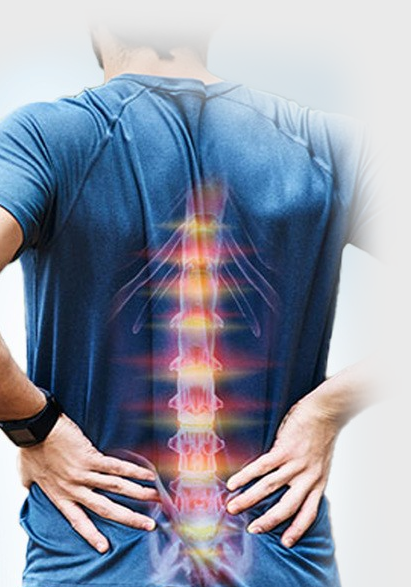
Walking used to be easy for Mr. Sharma, a retired school teacher from Mumbai. But over the last year, he noticed pain and weakness in his legs after just a few minutes of walking. Simple tasks like visiting the market or playing with his grandchildren became difficult. He thought it was just old age, but the pain worsened, and he feared losing his independence.
If you or your loved ones face similar problems, you might be dealing with lumbar canal stenosis, a common age-related spine condition that affects many elderly patients in India. This blog explains why walking becomes painful with age, how to recognize symptoms, and what treatments can help you regain mobility and comfort.
Your spine is made of bones called vertebrae stacked one on top of another. Between these bones are spaces called the spinal canal, which protects your spinal cord and nerves. The lumbar spine is the lower part of your back, supporting much of your body weight.
As we age, the spinal canal can become narrow. This narrowing is called lumbar canal stenosis. It happens because of:
This narrowing puts pressure on the nerves traveling through the lumbar spine, especially those that control your legs. That pressure causes pain, numbness, and weakness, making walking difficult.
Many elderly patients think their symptoms are just part of getting older. But ignoring these signs can reduce quality of life:
If you notice these symptoms, especially if they worsen over time, it is important to get evaluated.
Some symptoms require immediate care. If you experience any of these, see a spine specialist right away:
These may indicate serious nerve damage needing urgent treatment.
Diagnosis starts with a detailed medical history and physical exam. Your doctor will check your leg strength, reflexes, and sensation.
Imaging tests help confirm the diagnosis:
These tests help the doctor understand the severity and plan treatment.
Many patients improve with non-surgical care. These include:
These treatments aim to reduce pain and improve walking ability.
If symptoms do not improve with conservative care or if nerve damage worsens, surgery may be necessary. Traditional open surgery can be invasive and require long recovery.
Endoscopic spine surgery is a minimally invasive option. Using small incisions and a camera, the surgeon removes the tissue compressing the nerves. This technique offers:
Endoscopic surgery is especially suitable for elderly patients who want to avoid major surgery risks.
Many patients worry about spine surgery. Here are facts to consider:
Understanding these facts helps patients make informed decisions.
After endoscopic surgery, most patients:
Following your surgeon’s advice on physiotherapy and avoiding heavy lifting is important for lasting results.
To keep your spine healthy as you age:
These habits help prevent or delay lumbar canal stenosis.
Can lumbar canal stenosis cause permanent paralysis?
If untreated and severe, nerve damage can worsen. Early treatment prevents permanent problems.
Is surgery the only option?
No. Many patients improve with physiotherapy and lifestyle changes.
How long does pain relief last after surgery?
Most patients experience long-term relief, but maintaining spine health is important.
Can walking exercises help?
Yes, walking and strengthening exercises improve symptoms and mobility.
Is lumbar canal stenosis common in India?
Yes, especially among elderly people due to aging and lifestyle factors.
If you or a loved one struggles with walking pain or leg weakness, do not wait. Early diagnosis and treatment improve outcomes. Dr. Om Patil, a leading endoscopic spine surgeon in Mumbai, offers expert care tailored to elderly patients. Book a consultation today to regain your mobility and live pain-free.
Copyright © Dr. Om Patil. All Rights Reserved.