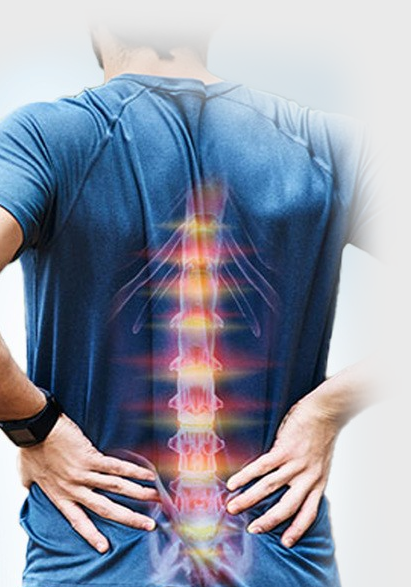
Slip disc pain can feel like a heavy burden that stops you from living your life fully. Imagine waking up every day with a sharp pain in your lower back that slowly spreads to your legs. You try to ignore it, hoping it will go away, but it only gets worse. This is the reality for many people in India who suffer silently, unsure if they need surgery or if their body can heal on its own.
Understanding slip disc, also called herniated disc, is the first step to making the right choice for your health. This blog will clear up common myths, explain the spine’s anatomy, symptoms to watch for, treatment options, and when surgery is truly necessary.
Your spine is made of small bones called vertebrae stacked on top of each other. Between these bones are soft cushions called discs. These discs act like shock absorbers, helping you bend and move without pain. A slip disc happens when the soft inner part of the disc pushes out through a tear in the outer layer. This can irritate nearby nerves and cause pain.
Common causes include:
In India, many people develop slip discs due to lifestyle factors like long hours of sitting in office jobs or riding two-wheelers without proper back support.
Many people ignore early signs of a slip disc, thinking it’s just normal back pain. But some symptoms need attention:
Ignoring these symptoms can delay treatment and make recovery harder.
Some signs mean you should see a spine specialist immediately:
These could indicate serious nerve damage and require urgent care.
Doctors use a combination of your medical history, physical examination, and imaging tests to diagnose a slip disc. Common tests include:
These tests help doctors understand the exact location and severity of the slip disc.
Most slip discs do not need surgery. Many patients improve with simple, non-surgical treatments:
Lifestyle Changes
Physiotherapy
Ergonomics
These treatments can relieve pain and help your disc heal naturally over weeks to months.
Surgery is considered only if:
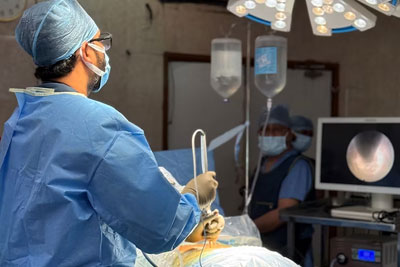
Endoscopic spine surgery is a minimally invasive option where surgeons use small cameras and instruments to remove the slipped part of the disc. This method causes less damage to muscles and tissues, leading to faster recovery.
Many patients fear surgery because of myths like “surgery will weaken my back” or “recovery takes months.” Here are facts:
Surgery is safe and effective when done by an experienced spine surgeon like Dr. Om Patil.
After surgery, recovery involves:
Most patients feel significant pain relief within days and return to work in 2-4 weeks depending on their job.
Prevention is better than cure. To protect your spine:
These habits reduce the risk of disc problems and keep your back strong for life.
Can a slip disc heal on its own?
Yes, many slip discs heal naturally with rest, physiotherapy, and lifestyle changes over weeks to months.
How long does it take to recover without surgery?
Most patients improve within 6-8 weeks with proper care.
Is surgery painful?
Minimally invasive surgery causes less pain than traditional surgery and has a quicker recovery.
Will I need surgery if I have a slip disc?
Not always. Surgery is needed only if symptoms are severe or do not improve with treatment.
Can I prevent slip disc?
Yes, by maintaining good posture, exercising, and avoiding heavy strain on your back.
If you or a loved one suffer from slip disc pain, don’t wait until it worsens. Early diagnosis and proper treatment can save you from unnecessary surgery and long-term pain. Dr. Om Patil, Mumbai’s expert endoscopic spine surgeon, offers personalized care using the latest techniques to help you heal faster and live pain-free.
Book a consultation today to get expert advice tailored to your condition and start your journey to a healthy spine. Your back deserves the best care.
Copyright © Dr. Om Patil. All Rights Reserved.